
- Subject
- Biochemistry, Microbial Biotechnology, Green Biotechnology, Cell and Molecular Biology
- Position
- Professor
- Contact
- +82-63-270-2542
- smpark@jbnu.ac.kr
- Research area
- Green Biotechnology
- Laboratory
- Room 110, Building 2, College of Agricultural Life Science
Detail Information
▷ Research Areas
This laboratory focuses on three main research areas. First, research on productivity and robustness improvement through gut microbiome studies in livestock animals,, second, development of gene expression systems to produce useful compounds from beneficial fungi and yeasts,, and third, research on developing biomass pretreatment technologies using lignin-degrading enzymes from fungi.
1. Research on productivity and robustness improvement through gut microbiome studies in livestock animals
○ It is estimated that about 500–1,000 species of bacteria exist in the human gut, along with viruses and fungi forming a complex food web. Differences in interspecies microbial balance can simultaneously have beneficial and harmful effects on humans. Interest in the distribution and roles of these microbes has increased as their correlation with gastrointestinal diseases, cancer, obesity, autism, allergies, and other conditions has been revealed.
○ In pigs, over 90% of gut microbes belong to Firmicutes and Bacteroidetes, similar to humans. However, diverse studies like those on the human gut microbiome have not yet been conducted (Scientific Reports 8:6012, 2018).
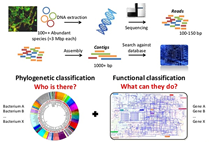
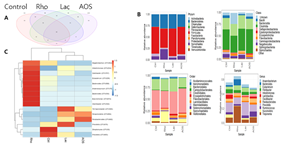
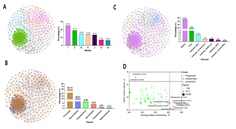
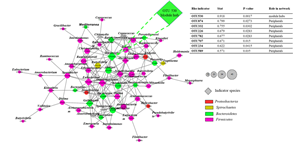
○ This study analyzes metagenomes of gut bacteria and bacteriophages in Jeju black pigs at different growth stages, examines dynamic changes in microbial communities due to feed additives including probiotics, and isolates various anaerobic bacteria, including Firmicutes and Bacteroidetes, to develop beneficial strains contributing to pig robustness.
|
|
|
|
|
|
2. Research on overexpression of recombinant proteins in yeast Pichia pastoris
○ Pichia pastoris is a GRAS yeast strain widely used as a protein production system. It is genetically similar to Saccharomyces cerevisiae, allowing easy genetic analysis, grows well in standard media with a short generation time, enables high-density culture, and shows low glycosylation during protein expression. It is therefore an excellent platform for recombinant protein production, with reported yields of up to 35 g/L depending on the protein.
○ Using this system, we are advancing the production of medically relevant recombinant proteins, such as antibodies and therapeutic proteins.
3. Development of biological pretreatment technology for biomass saccharification
○ Lignocellulosic biomass is one of the most abundant renewable natural resources on Earth, composed of cellulose, hemicellulose, and lignin. Cellulose and hemicellulose can be converted to sugars and used as feedstocks for bioethanol and other biorefinery products.
○ Lignin is a hydrophobic, high-molecular-weight aromatic polymer composed of methoxylated p-coumaryl, coniferyl, and sinapyl alcohols, and is considered the most recalcitrant natural substance, constituting roughly 20% of biomass depending on type.
○ White-rot fungi such as Coriolus hirsutus and Phanerochaete chrysosporium have been found to produce lignin-degrading enzymes, offering a biological pretreatment alternative for biomass processing.
○ Our lab has obtained genes for lignin-degrading enzymes from chestnut pathogens and white-rot fungi and is studying optimal pretreatment conditions for biomass.
▷ Ongoing Research Projects
|
Title |
Research Period |
Funding Agency |
|
Identification of gut microbiome changes to improve pig rearing environment and development of beneficial microbial materials |
2020. 01. 01 – 2022. 12. 31 |
Rural Development Administration |
|
Development of high-functional cosmetics using radiation-resistant Deinococcus microbial strains |
2020. 11. 26 – 2022. 11. 27 |
Ministry of SMEs |
|
Development and verification of LM microbial safety management guidelines for agriculture, forestry, and livestock |
2022. 01. 10 – 2022. 12. 31 |
Rural Development Administration |
Research Achievements
2. Huy, ND., Le, N.T.M., Chew, K.W., Park, S.M. Characterization of a recombinant laccase from Fusarium oxysporum HUIB02 for biochemical application on dyes removal (2021) Biochemical Engineering Journal 168: 107958 (IF 4.455)
3. Son, S., Lee, R., Park, S.M., Lee, S.H., Lee, H.K., Kim, Y., Shin, D. (2021) Complete genome sequencing and comparative genomic analysis of Lactobacillus acidophilus C5 as a potential canine probiotics. Journal of Animal Science and Technology 63: 1411-1422. (IF 1.801)
4. Huy, N.D., Saravanakumar, T., Ha, S.H., Park, S.M. (2020) Enhanced Enzymatic Saccharification of Wheat Flour Arabinoxylan and Barley Straw Using Recombinant Hemicellulases. BIOTECHNOLOGY AND BIOPROCESS ENGINEERING 25: 431-441 (IF 3.386)
5. Park, H.S., Kwak, M.S., Seo, J.W., Ju, J.H., Heo, S.Y., Park, S.M., and Hong, W.K. (2018) Enhanced production of carotenoids using a Thraustochytrid microalgal strain containing high levels of docosahexaenoic acid-rich oil. Bioprocess and Biosystems Engineering 41:1355-1370 (IF 2.139)
6. Saravanakumar, T., Park, H.S., Mo, A.Y., Choi, M.S., Kim, D.H., and Park, S.M. (2016) Detoxification of furanic and phenolic lignocellulose derived inhibitors of yeast using laccase immobilized on bacterial cellulosic nanofibers. JOURNAL OF MOLECULAR CATALYSIS B-ENZYMATIC 134:196-205 (IF 2.269)
7. Huy, N.D. Nguyen, C.L., Park, H.S., Loc, N.H., Choi, M.S., kim, D.H., Seo, J.W., and Park, S.M. (2016) Characterization of a novel manganese dependent endoglucanase belongs in GH family 5 from Phanerochaete chrysosporium. JOURNAL OF BIOSCIENCE AND BIOENGINEERING 121:154-159 (IF 2.015)